



This post may contain affiliate links which means we may receive a commission for purchases made through links. Read more on our Privacy Policy.
How to Choose the Best Solar Power Station: Complete Buyer’s Guide
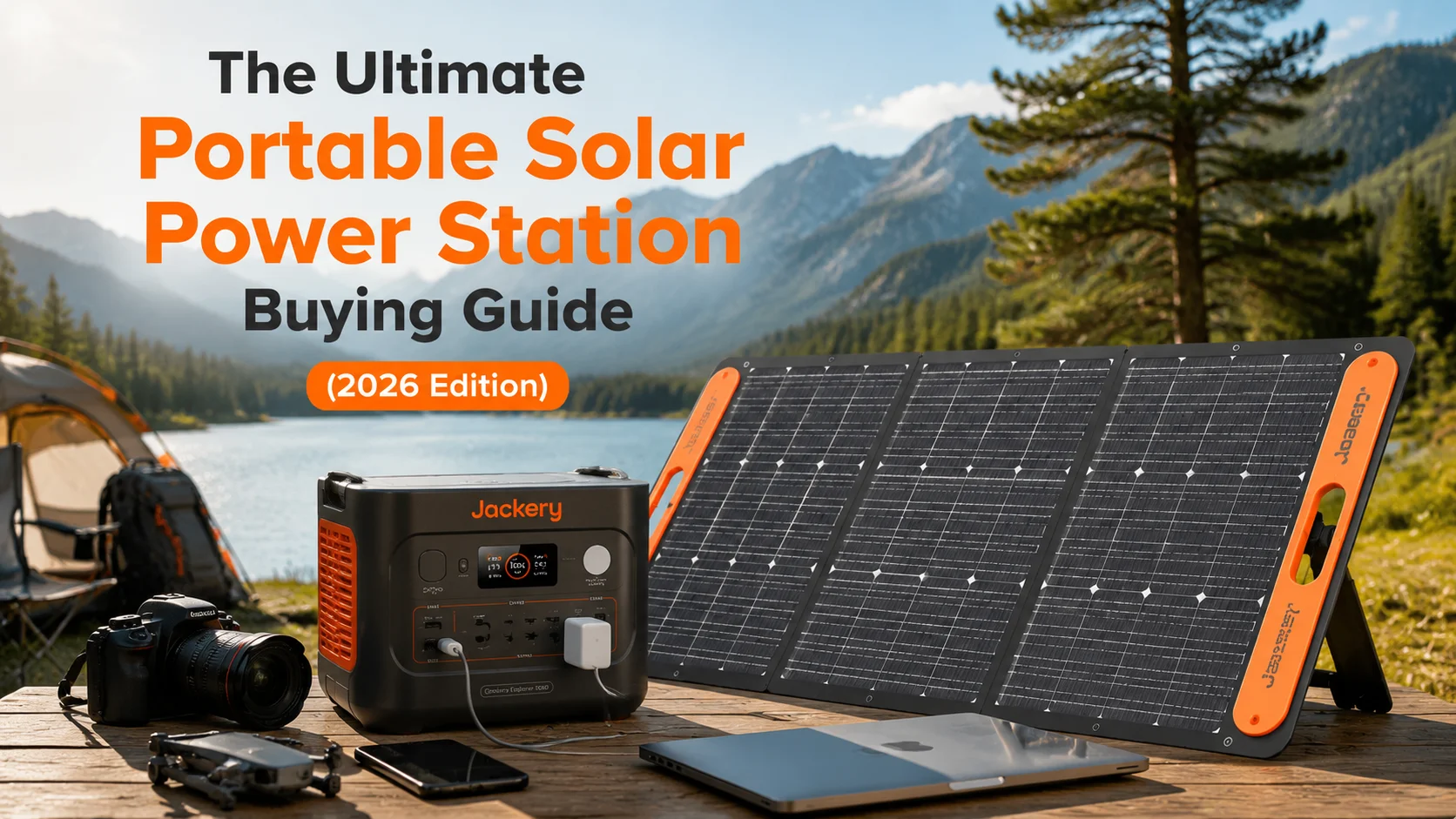
A solar power station has quickly become one of the most practical energy solutions for modern living. Whether you’re preparing for power outages, running an off-grid cabin, traveling in an RV, or simply camping outdoors, a solar power station gives you reliable, portable electricity without depending on the grid. Many people also consider it a cleaner alternative to a traditional solar generator or even a standard portable power station powered only by AC charging.
But here’s the challenge: the market is now flooded with options. From budget-friendly units to premium systems, choosing the right solar power station can feel overwhelming. This guide will simplify everything using real-world insights, practical calculations, and expert-backed advice so you can make a confident decision when comparing a portable power station or a full-featured solar generator setup.
What Is a Solar Power Station and Why It Matters
A solar power station is essentially a portable battery system that stores energy and delivers power to your devices and appliances. It can be charged through solar panels, wall outlets, or even a car, making it more flexible than a basic portable power station.
Unlike traditional gas-powered systems, a solar power station or solar generator offers a safer and more eco-friendly solution for everyday and emergency use.
Table of Contents
Key Benefits of a Solar Power Station
- Clean and renewable energy source
- Silent operation compared to gas generators
- Low maintenance and easy to use
- Safe for indoor environments
- Ideal alternative to a fuel-based solar generator
Understanding the Basics: Watts, Power, and Usage
Before investing in a solar power station, it’s important to understand a key concept: watts. This simple idea plays a major role in helping you choose the right unit for your needs. Without understanding how power consumption works, you could end up buying a system that cannot handle your devices—or one that is far bigger and more expensive than necessary.
What Are Watts?
Watts are a measurement of power that tells you how much energy a device uses while it’s running. Every appliance in your home or setup—from small gadgets like phone chargers to larger equipment like refrigerators—requires a certain number of watts to operate efficiently. For example, a light bulb might use 10 to 100 watts, while a fridge or microwave may require several hundred watts. Knowing these numbers allows you to estimate how much total power you’ll need and ensures your setup can run smoothly without interruptions.
Simple Example
A 100-watt light bulb consumes 100 watts of power for every hour it is in use. If you run that same bulb for 5 hours, the total energy consumption becomes 500 watt-hours. This simple calculation is important because every solar power station has a fixed battery capacity. Without understanding your usage, you may find that your unit runs out of power sooner than expected, especially when powering multiple devices.
Step 1: Identify What You Want to Power
The first step is listing all the devices you plan to run.
Common Use Cases
- Camping gear (lights, fans, mini fridge)
- Emergency home backup (lights, router, phone charging)
- RV or van life appliances
- Mobile workstations

Each device has a watt rating. Add them together to estimate your total energy needs.
Real-World Insight
Appliances like refrigerators and air conditioners don’t run continuously. They typically cycle on and off (around 30–50% of the time), which reduces overall energy consumption.
Step 2: Calculate Battery Capacity Needs
Once you know your watt usage, calculate how long you want to run your devices.
Example Calculation
- Device: 50W mini fridge
- Usage: 24 hours
- Actual runtime: ~50%
50W ÷ 2 = 25W per hour
25W × 24 hours = 600Wh

You’ll need at least a 600Wh capacity unit for one day.
For 2–3 days, aim for 1200Wh–1800Wh.
Step 3: Check the Output (Inverter Power)
Not every unit can run all appliances—even if it has enough stored energy.
Why Output Matters
The inverter determines how much power can be delivered at once.
- If your device needs 1000W → your unit must support at least 1000W
- Surge power is important for appliances with high startup demand
Practical Tip
Choose a system with slightly higher output than your needs to ensure smooth performance and longer lifespan.
Step 4: Decide How You’ll Recharge
Your setup is only as useful as its ability to recharge.

Charging Options
AC Wall Charging
- Fast and reliable
- Full charge in 1–2 hours
- Ideal for home use
Solar Charging
- Best for off-grid use
- Eco-friendly and cost-saving
- Depends on sunlight availability
Step 5: How Many Solar Panels Do You Need?
If you plan to rely on solar, your panel setup must match your battery capacity.
Basic Rule
- 100W panel ≈ 100W per hour
- Average sunlight: 4–5 hours/day
Example
For a 1000Wh capacity:
- 100W panel → ~10 hours charging
- Realistically → 2–3 days
To charge in one day:
- Use 300W–500W of panels

Step 6: Consider Portability and Design
Not all units are easy to carry.
When choosing a solar power station, portability is a key factor that affects convenience and everyday usability. Weight should be carefully considered because some units can exceed 20kg, making them difficult to carry or move, especially for camping, travel, or outdoor use. While heavier models often provide higher energy capacity, they are not always practical for users who need frequent mobility.
Built-in wheels or sturdy handles can make transportation much easier. They allow you to move the unit without heavy lifting, which is especially useful for RV trips or emergency situations.
A compact design is also important because it allows the solar power station to fit more easily into car trunks, storage spaces, or small indoor areas. This improves flexibility and makes setup more convenient in different environments.
Overall, the best choice is a balance between weight, portability features, and size so the unit remains easy to use while still delivering reliable performance. If you travel often, portability becomes even more important because it directly affects how quickly and conveniently you can set up and use your system wherever you go.
If you travel often, portability becomes a major factor.
Step 7: Check Ports and Compatibility
Make sure the unit supports your devices.
Common Ports
- AC outlets
- USB-A / USB-C
- DC ports
Step 8: Expandability and Future-Proofing
Some models allow battery expansion.
Benefits
- Start small and upgrade later
- Save money upfront
- Increase capacity over time
Step 9: Price vs Value
A cheaper option may cost more in the long run.
Watch Out For
- Short battery lifespan
- Weak inverter
- Poor support
Expert Advice
It’s often better to choose a proven model from a reputable brand than a new, unknown product.
Step 10: Warning Signs to Avoid
Red Flags

- Unknown brands
- Overhyped claims
- No real reviews
A reliable option should have verified feedback and transparent specifications.
Step 11: Don’t Trust Marketing—Do the Math
Many brands exaggerate performance.
Reality Check
- Average home: 20–30 kWh/day
- Most portable units: 1–3 kWh
This means these systems are best for essential devices—not full-home power for days.
Step 12: Research Before Buying
Before purchasing, take time to:
- Watch real user reviews
- Compare models
- Look for both pros and cons
Choosing the right solar power station comes down to understanding your needs and doing simple calculations.
Quick Recap
Choosing the right solar power setup requires a clear understanding of your energy needs and usage habits. The first step is to identify the devices you plan to power, whether they are essential household appliances, camping gear, or mobile work equipment. Once you know what you will be using, the next step is to calculate your total energy consumption. This ensures that you choose a system with enough capacity to support your devices without running out of power too quickly. After that, it is important to select the proper battery capacity based on how long you need backup power, whether for a few hours, a full day, or multiple days of use.
Another key factor is checking the output power of the system to make sure it can handle the starting and running requirements of your appliances, especially those with higher energy demands. Planning your charging method is also essential, whether you rely on wall charging, solar panels, or a combination of both for maximum flexibility. Finally, consider important features such as portability, design, and expandability, especially if you plan to move your system frequently or upgrade it in the future. A well-chosen solar power station is a reliable investment for emergency preparedness, outdoor activities, and everyday energy independence, providing long-term value and peace of mind.