



This post may contain affiliate links which means we may receive a commission for purchases made through links. Read more on our Privacy Policy.
What Are Grid Tie Solar Panels? A Complete Beginner-Friendly Guide
As energy costs continue to rise and more homeowners search for sustainable and cost-effective alternatives, grid tie solar panels have emerged as one of the most popular solutions for both residential and commercial applications. These systems allow property owners to harness solar energy while remaining connected to the local utility grid, making them a practical and accessible option for many. If you’re thinking about transitioning to solar power, it’s important to understand how grid tie solar panels work, the components involved, and how they integrate seamlessly with your existing electrical system.
This comprehensive guide is designed to give you a clear and thorough understanding of grid tie solar panels, covering everything from their essential components to their step-by-step operation. By learning how these systems function and the benefits they offer, you can make a more informed decision about whether this type of solar setup is the right fit for your home or business.
Table of Contents
What Are Grid Tie Solar Panels?
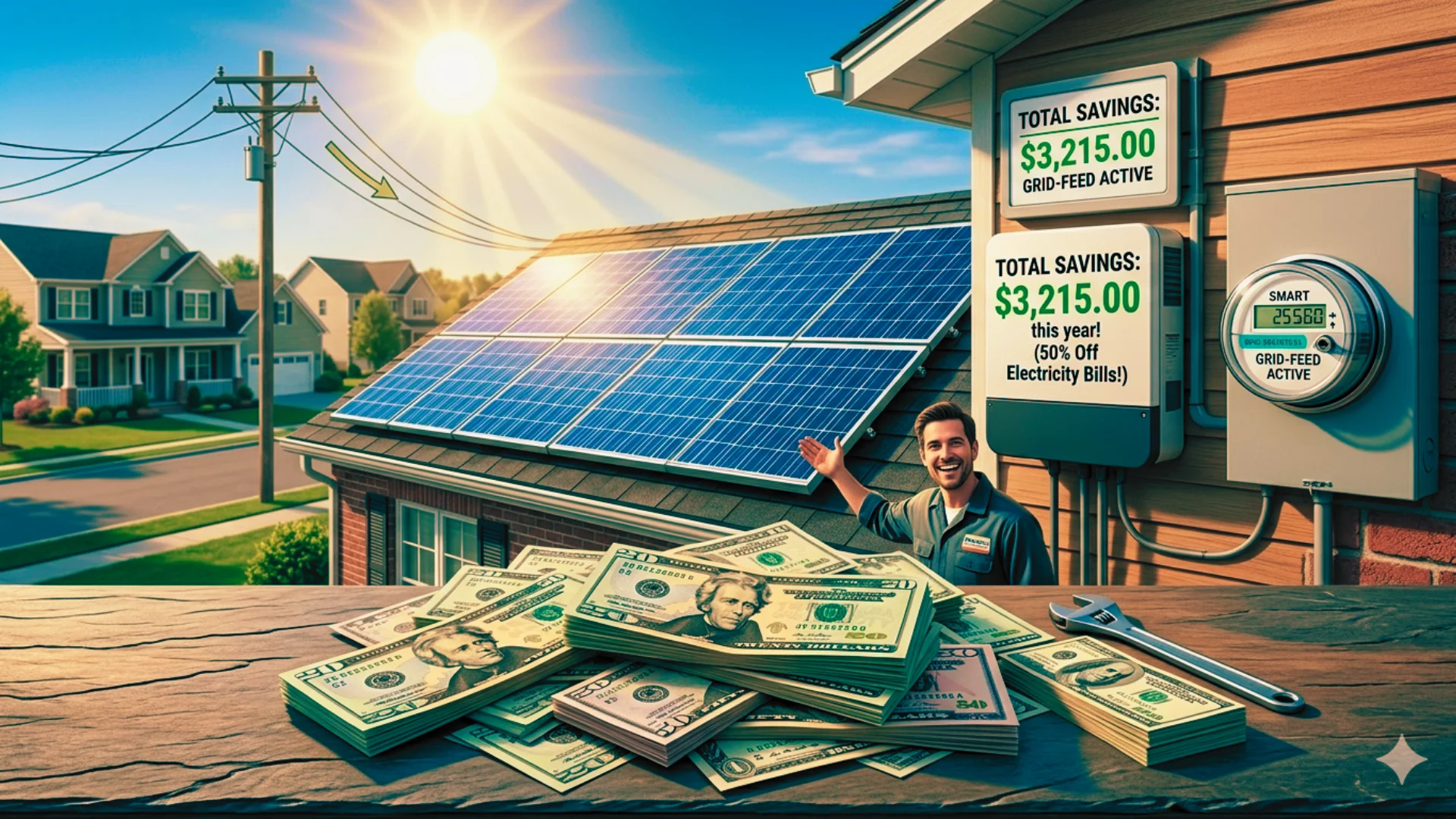
These systems are part of a solar power setup that connects directly to the local utility grid. Unlike off-grid systems, which operate independently, this setup works alongside your existing electricity supply. This allows your home to use solar energy during the day while still depending on the utility grid when solar production is low or unavailable.
The main purpose of this setup is to reduce electricity consumption from the utility provider. When it generates more energy than your home needs, the excess power can often be exported back to the grid, depending on local policies and regulations.
Why Choose Grid Tie Solar Panels Set Up?
There are several reasons why homeowners prefer grid tie solar panels over other types of solar setups:

- Lower installation cost since no batteries are required
- Reduced electricity bills
- Access to grid power as backup
- Easier maintenance compared to off-grid systems
- Potential for energy credits through net metering
Because of these advantages, grid tie solar panels are often the most cost-effective and practical solar solution.
Main Components of a Grid Tie Solar Panel System
To better understand how the system works, it’s important to become familiar with its key components. Each part plays a vital role in ensuring overall efficiency, safety, and reliable operation.
Overview of Components
| Component | Description | Function |
| Solar Panels (PV Panels) | Devices that capture sunlight | Convert sunlight into DC electricity |
| Grid Tie Inverter | Converts electrical current | Changes DC to AC for home use |
| DC and AC MCBs | Safety breakers | Protect system from overload and short circuits |
| Surge Protection Devices (SPDs) | Voltage protection devices | Prevent damage from power surges |
| Mounting and Wiring Materials | Structural and electrical accessories | Secure panels and connect system components |

System Breakdown
- Solar Panels (PV Panels): Capture sunlight and convert it into DC (Direct Current) electricity.
- Grid Tie Inverter: The “brain” of the system that converts DC power from panels into AC (Alternating Current) power for your home and the utility grid.
- DC and AC MCBs: Specialized circuit breakers that protect the system from overloads and short circuits on both the solar (DC) and household (AC) sides.
- Surge Protection Devices (SPDs): Shield sensitive equipment like the inverter from sudden voltage spikes, such as those caused by lightning strikes.
- Mounting and Wiring Materials: Structural rails that securely hold panels to your roof and heavy-duty cables that transport power between components.
How Grid Tie Solar Panels Work (Step-by-Step Guide)

Understanding the step-by-step process of how grid tie solar panels operate helps you fully appreciate their efficiency and simplicity. This system is designed to seamlessly convert sunlight into usable electricity while maintaining a stable connection with the utility grid.
Step 1: Sunlight Hits the Solar Panels
When sunlight reaches your grid tie solar panels, the photovoltaic cells absorb solar energy and begin the conversion process. This energy excites electrons within the cells, producing direct current (DC) electricity, which is the first stage of power generation.
Step 2: DC Electricity Is Generated
The absorbed solar energy is immediately transformed into DC electricity. At this point, the power is not yet suitable for household appliances, as most homes require alternating current (AC) to operate efficiently.
Step 3: DC Power Flows to the Inverter
The generated DC electricity is transferred through electrical cables to the inverter. This is a critical stage in the system because the inverter prepares the energy for household use and grid synchronization.
Step 4: Inverter Converts DC to AC
The inverter converts DC electricity into alternating current (AC), making it compatible with your home’s electrical system. This conversion allows grid tie solar panels to directly supply power to appliances, lighting, and other electrical devices throughout your home.
Step 5: Electricity Powers Your Home
Once converted, the AC electricity flows into your main electrical panel. Your home will prioritize using energy produced by grid tie solar panels before drawing electricity from the utility grid, helping reduce monthly energy bills.
Step 6: Excess Power Is Sent to the Grid
If your grid tie solar panels generate more electricity than your home consumes, the surplus energy is exported back to the utility grid. In many areas, this excess power may qualify for credits through net metering programs, further increasing savings.
Step 7: Grid Supplies Power When Needed
During nighttime or periods of low sunlight, your home automatically draws electricity from the utility grid. This ensures continuous and reliable power supply even when grid tie solar panels are not actively generating energy.
Advantages of Grid Tie Solar Panels
Cost Efficiency
Since there are no batteries required, grid tie solar panels are more affordable to install and maintain compared to other solar systems.
Reliability
Because the system remains connected to the utility grid, it ensures uninterrupted power availability regardless of weather conditions or time of day.
Environmental Impact
Using this type of solar power system significantly reduces dependence on fossil fuels. It helps lower your carbon footprint and supports the production of cleaner, more sustainable energy.
Scalability
The system can be easily expanded by adding additional solar panels as your energy requirements grow, making it a flexible and practical long-term energy solution.
Limitations of Grid Tie Solar Panels
While grid tie solar panels are highly beneficial, they also have some limitations:
- They do not work during power outages (unless paired with special equipment)
- Dependence on grid availability
- Energy savings depend on sunlight conditions
Understanding these limitations will help you decide if grid tie solar panels are the right choice for your situation.
Is a Grid Tie Solar Panel System Right for You?
Choosing grid tie solar panels depends on your energy goals, budget, and location. If you live in an area with reliable grid access and good sunlight exposure, this system can significantly reduce your electricity costs while maintaining convenience.
Final Thoughts
This type of solar power system offers a simple, efficient, and cost-effective way to harness solar energy while remaining connected to the utility grid. By understanding the components, system operation, and benefits, you can make a more informed decision about whether this setup is suitable for your needs.
With proper installation and regular maintenance, it can serve as a long-term investment that helps reduce energy bills while also supporting a cleaner and more sustainable environment.